
Each Person Brings Something Different to the Table
 When we enter into any meeting, we are bringing with us our life and work experiences, our agendas, our biases, our hopes and our viewpoints about what should happen and how. This can create undercurrents that make it difficult for people to work productively or converse effectively. A goal of facilitation is to acknowledge these dynamics and create a safe space for individuals to exchange thoughts, ideas and learning.
 The steps of process design are part of the facilitation that doesn’t always get as much attention. A well designed process is the cornerstone of a successful facilitation and the primary reason an event achieves desired outcomes and gets the results both you and your client are looking for. Crafting an effective process design that works for the client can be challenging and often requires creativity, commitment and a strong focus.
 Much can – and often does –go wrong during a planned facilitation. Unfortunately, even the most well designed event can have mishaps. While it’s easy to think about best-case scenarios, let’s understand a few of the things that can go wrong in a facilitation. Highlighting some of these common pitfalls will help you more effectively lead group discussions in a way that ensures you get the positive outcomes you’ve planned for.
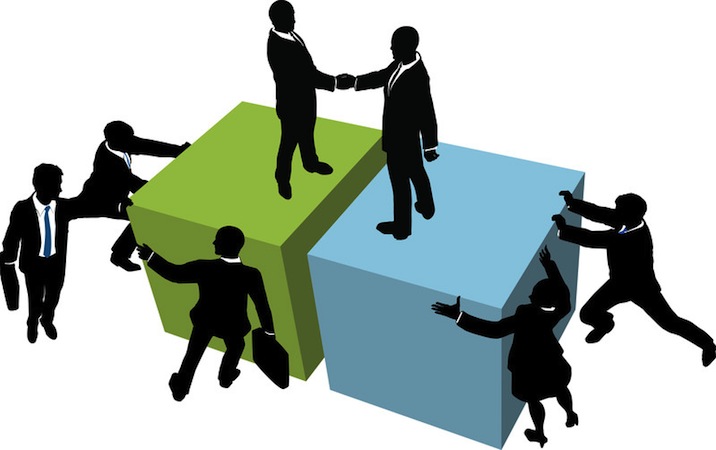 In today’s political, social and economic climate, there’s a real need to build competency in designing and
  Much can go wrong during a
  Mention the word facilitate to people and it can stir up multiple images such as; teachers and blackboards, a conductor with baton in hand, or just someone making things happen. In fact a facilitator is a type of enabler and to a company undergoing major change, an NGO needing to re-align their vision and programming directions, a multi-interest group working to find new ways to address a pressing issue, and others, a facilitator can be an invaluable asset to draw upon. A skilled facilitator can help spark new ways of thinking and innovation, guide informed and effective decision-making, and bring out the best in people, an organization or a collective.
 With meeting spaces at a premium at public, private and non-profit organizations, work teams and volunteer committees often have to make do by meeting in tight quarters. While this may be necessary for regular activities, when strategic thinking or challenging conversations are needed, it can be very important to provide a physical meeting space that will